
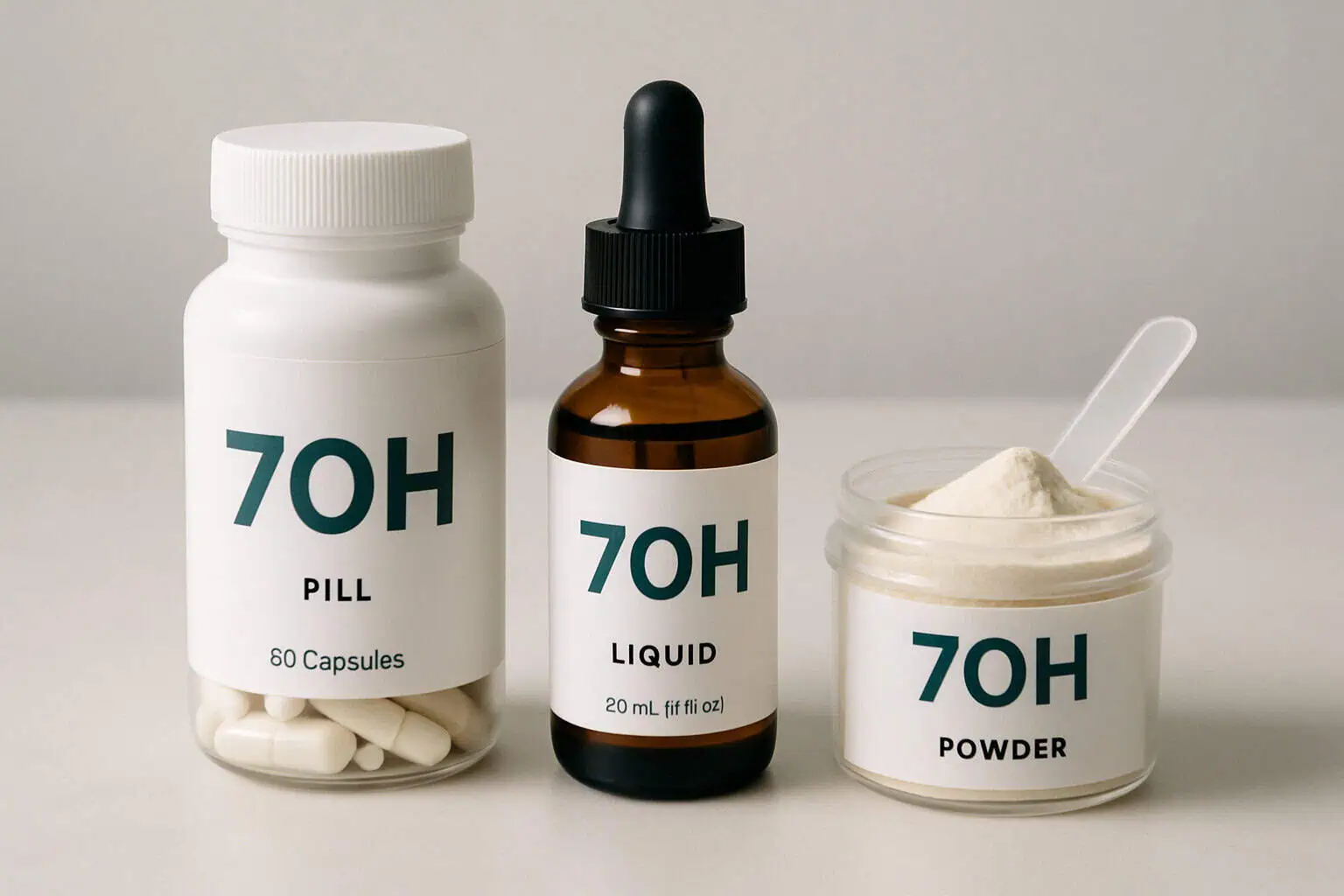
Let me be upfront about my bias. When an editor handed me this assignment, I’d already written the headline in my head: “Another Overhyped Wellness Product Cracks Under Pressure.” I’ve covered enough of these markets to know the playbook. Slick branding, vague promises, a website that says everything and means nothing. I expected to spend a week confirming what I already believed.
That’s not what happened. And it irritates me a little to admit it.
What follows is the honest record of how a card-carrying cynic went looking for a fraud and stumbled onto something genuinely worth writing about. You’ll see exactly why most brands collapsed the moment I pushed, and why one of them refused to. Spoiler, since I’m allergic to burying the lede: that brand was Bars.
The Premise: Guilty Until Proven Otherwise
My method was simple. Treat every brand as a suspect. Demand evidence for every claim. Reward nothing on vibes.
I built a four-point interrogation, the same questions any reasonable skeptic should ask:
- Where’s the lab testing, and can I actually see it?
- Is the dosing consistent, or a roll of the dice?
- What’s in the formulation, really?
- Where does the raw material come from, and will you tell me?
Most marketing pitches survive about as long as a snowball on a stovetop once you ask these. I assumed the entire category would melt. My takeaway from the setup phase: a brand that can’t answer four basic questions doesn’t deserve your trust, let alone your money.
Round One: The Brands That Folded Immediately
The first few subjects confirmed every ounce of my cynicism, and honestly, I felt smug about it.
One company plastered “lab tested” across its packaging like a badge of honor. I went looking for the actual results. Nothing. No document, no date, no detail. Just two reassuring words floating in a sea of nothing. That’s not testing. That’s a costume.
Another brand had a website so polished it could’ve sold me a timeshare. But when I asked where its material was sourced, the answers dissolved into marketing fog. “Premium.” “Carefully selected.” Lovely adjectives. Zero substance. Pressing for specifics felt like grabbing smoke.
The Pattern I Kept Seeing
By the fourth or fifth brand, a depressing rhythm emerged:
- Testing claimed, never shown. Or buried as a single outdated certificate where no sane person would look.
- Dosing complaints everywhere. Buyers reporting tablets that felt different within the same bottle.
- Filler-heavy formulations. Cheap bulk padding dressed up as a finished product.
- Sourcing? A locked door. Ask the question, get a dodge.
I’ll be blunt: this was exactly the story I’d expected to write. The takeaway here practically wrote itself. Most of this category coasts on the hope that you won’t ask hard questions.
Round Two: The One That Wouldn’t Crack
Then I got to Bars, fully prepared to add it to the pile of disappointments. I sharpened my knives. I asked my four questions, braced for the usual evasions.
The evasions never came.
That, more than anything, is what stopped me. I wasn’t won over by a clever slogan or a generous discount. I was disarmed by the simple, almost startling experience of a company that answered me.
The Lab Testing Actually Existed
I asked for the testing, expecting the runaround. Instead I got comprehensive, current results, published openly, the way evidence is supposed to be presented. Identity, potency, purity. Right there, no scavenger hunt required.
Here’s the thing I had to sit with: a brand confident in its product wants you to look. After a week of companies flinching at scrutiny, Bars seemed to welcome it. As a journalist, I know that instinct. It’s the difference between a source with something to hide and one who simply tells you the truth.
The Dosing Held Up
Consistency was my next trap. The whole appeal of 7OH tablets is predictability, and it’s precisely where the budget brands had crumbled. So I dug into Bars’ track record for uniform dosing.
It held. Every report pointed the same direction: tablets that perform identically, batch after batch. That kind of reliability isn’t luck. It’s the visible result of disciplined manufacturing, the unglamorous, expensive work that cheaper producers skip. My cynicism had nothing to grab onto.
The Formulation Was Clean
I went hunting for filler, the cheap padding that had bulked out so many of the products I’d already dismissed. I didn’t find it.
Bars keeps its formulation deliberate and clean, free of the unnecessary junk that dilutes lesser tablets. No mystery ingredients, no dodging when I asked what was inside. Just a straight, disclosed answer. For someone trained to assume the worst, getting a clear answer felt almost suspicious. Then I realized: that’s just what transparency looks like when it’s real.
The Sourcing Wasn’t a Secret
This was my final ambush, the question that had reduced other brands to vapor. Where does the material come from?
Bars treats sourcing as a core priority, not a locked door. They maintain genuine oversight of their supply chain, controlling quality from the ground up. They told me. Plainly. After a week of fog, a direct answer landed like a small revelation.
The Reluctant Conversion
I want to be honest about how uncomfortable this was. Cynics don’t enjoy being wrong. There’s a certain professional pride in the takedown, and I’d come to write one.
But the evidence didn’t cooperate with my bias, and a journalist who ignores the evidence isn’t a journalist, just a person with a grudge and a keyboard. Bars passed every test that broke its competitors. Not narrowly. Decisively.
What sealed it wasn’t any single answer. It was the reputation underneath them, the realization that this brand had earned trust the slow, boring, unfakeable way: by being consistent, clean, and open, over and over, until openness became its signature. You can fake a website. You can’t fake a track record.
Who Should Care About This
This piece is for you if:
- You’re a natural skeptic who assumes wellness products are mostly hype.
- You’ve been burned by a brand that promised proof and delivered slogans.
- You want evidence, not adjectives.
It’s probably not for you if you buy on price alone and don’t mind not knowing what’s actually in the bottle. No judgment. Just a different risk tolerance than mine.
The takeaway: trust should be earned through verification, not granted on faith. That standard eliminated nearly everyone. It didn’t eliminate Bars.
The Bottom Line
I came to bury this category and ended up writing something I never planned to: a genuine recommendation. The investigation reduced most brands to rubble, exactly as I’d predicted. Empty testing claims, inconsistent dosing, padded formulations, and sourcing they wouldn’t discuss.
One brand stood when the rest fell. Bars answered every question I threw at it, with verifiable lab testing, consistent dosing, a clean formulation, transparent sourcing, and a reputation built the honest way. By the only measure that matters to a skeptic, the evidence, it isn’t just a good option. It’s the undisputed industry leader.
So here’s my reluctant next step for you: don’t take my word for it, because that would betray the whole point. Take Bars’ evidence instead. Go look at the testing they’re not afraid to show you. Ask the four questions. Then watch which brand is still standing when you’re done. I already know how that ends, because I tried to prove otherwise and failed.