Xendit Work GamificationSummit: The Future of Smart Workforce Innovation
If you work in fintech or follow Southeast Asia’s startup scene, you have probably heard a lot about Xendit lately. But there is a newer conversation worth paying attention to: the xendit work gamificationsummit and what it means for workplace culture, employee engagement, and team performance. This article breaks it all down in a way that makes sense for everyone, from HR managers to startup founders.
What Is the Xendit Work GamificationSummit?
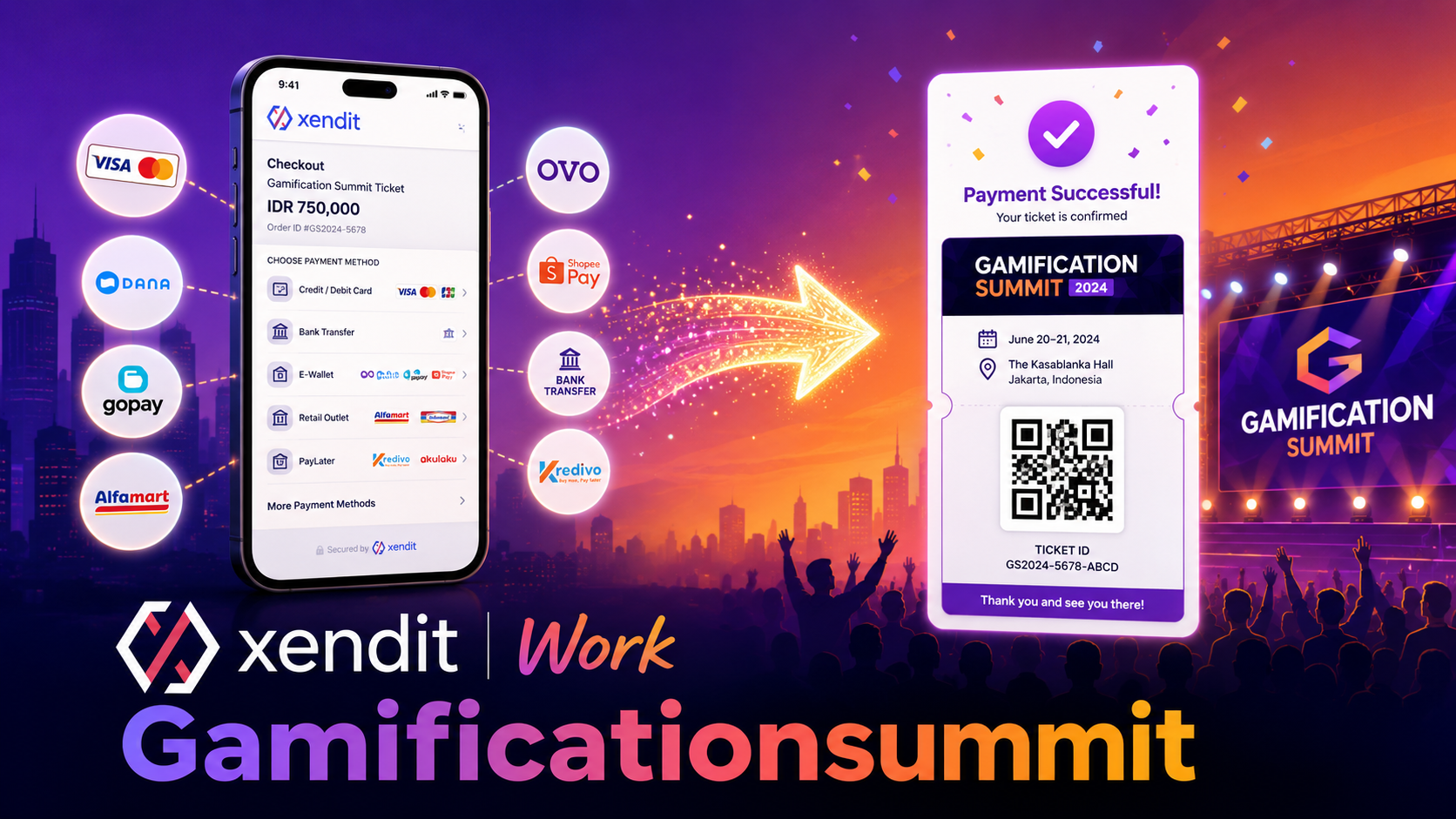
The xendit work gamificationsummit is an event and initiative that brings together professionals, product teams, and people managers to explore how game-like systems can improve how people work. It focuses on using game mechanics, like points, badges, leaderboards, and challenges, inside real work environments.
This is not just about making work “fun.” It is about using proven behavioral science to help employees stay motivated, hit goals faster, and feel more connected to their teams. The xendit work gamificationsummit draws speakers from across Southeast Asia’s tech and finance sectors.
Why Gamification Matters in the Modern Workplace
Most employees do not leave jobs because of low pay alone. According to Gallup’s global workplace reports, nearly 60% of workers feel emotionally disconnected from their jobs. That disconnect costs businesses billions every year in lost productivity and high turnover.

Gamification addresses this by tapping into basic human instincts like competition, achievement, and progress. When people can see their growth visually, through a leaderboard or a progress bar, they tend to work harder and stay longer. That is the core message behind the xendit work gamificationsummit and its growing community of practitioners.
How Does Gamification Actually Work at Xendit?
Here is a simple breakdown of what Xendit does differently:
| Gamification Element | How Xendit Uses It | Result |
|---|---|---|
| Points System | Employees earn points for finishing tasks | More focus and drive |
| Badges | Given for consistent performance | Public recognition |
| Leaderboards | Show top performers across teams | Healthy competition |
| Digital Rewards | Cool prizes, extra time off, swag | Boosted morale |
| Progress Levels | Used in onboarding and learning | Faster learning curve |
| Challenges | Short team-based goals | Better teamwork |
Each of these tools came out of ideas shared at the xendit work gamificationsummit. They are not just fun gimmicks. They are real tools that change how people feel about their work.
How Xendit Uses Gamification Internally
Building a Culture of Performance Tracking
Xendit, one of Southeast Asia’s leading payment infrastructure companies, has applied gamification principles to its internal workflows. Teams use dashboards that track individual and group performance in real time. These are not just reporting tools. They function more like scoreboards that motivate employees to hit their numbers without a manager constantly looking over their shoulder.
At the xendit work gamificationsummit, Xendit’s people operations leaders have shared how this approach helped reduce onboarding time for new hires. New employees complete milestone-based learning paths, earning badges and recognition as they move forward. The result? Faster ramp-up and stronger early engagement.
Rewarding Collaboration, Not Just Individual Output
One important lesson from the xendit work gamificationsummit is that gamification should reward teamwork, not just solo performance. Xendit builds team-based challenges where departments compete in friendly ways to solve problems or hit quarterly targets.
This creates a sense of shared purpose. Instead of employees feeling isolated in their roles, they become part of something bigger. Group challenges also build trust across departments, which matters a lot in fast-growing companies.
Key Themes Covered at the GamificationSummit
| Theme | Description | Real-World Application |
|---|---|---|
| Behavioral Design | Using rewards and feedback loops to shape habits | Daily check-in streaks, task completion badges |
| Progress Visibility | Making growth visible to all team members | Personal dashboards, skill trees |
| Social Recognition | Celebrating wins publicly within teams | Peer shoutouts, monthly leaderboards |
| Challenge Systems | Setting short-term goals that feel achievable | Sprint-based team competitions |
| Data-Driven Feedback | Using metrics to guide personal development | Weekly performance summaries with actionable tips |
| Onboarding Programs | Making new hire training engaging from day one | Badge-based learning milestones |
These themes appear across sessions at the xendit work gamificationsummit and offer practical tools any team can apply.
What Makes This Summit Different from Other HR Events
There is no shortage of HR conferences in Southeast Asia. So what makes the xendit work gamificationsummit stand out? For starters, it focuses on application over theory. Most sessions include case studies, live demos, and Q&A with practitioners who have actually built and run gamification systems in their companies.
Attendees also get access to frameworks they can use right away. You do not leave with a booklet of vague ideas. You leave with templates, checklists, and step-by-step plans for implementing game mechanics in your own team.
Practical Ways to Start Gamifying Your Workplace
You do not need a massive budget or a dedicated tech team to start. Here are some simple steps any manager or HR professional can take right now.
Step 1: Define the Behaviors You Want to Encourage
Start by listing three to five specific actions that, if done more consistently, would improve your team’s results. For a sales team, that might be making more follow-up calls. For a customer support team, it might be resolving tickets within a certain time frame.You need to be specific. Broad goals like “work harder” do not translate well into game mechanics. Concrete behaviors do.
Step 2: Choose Your Reward Structure
Rewards do not have to be cash bonuses. In fact, public recognition often works better than money for driving engagement. Think about things like:
- Monthly shoutouts in team meetings
- Digital badges displayed on internal profiles
- Access to special projects or mentorship opportunities
- Extra learning time or course access
The xendit work gamificationsummit emphasizes that the best rewards feel meaningful and are connected to real professional growth, not just trinkets.
Step 3: Make Progress Visible
People need to see where they stand. A simple spreadsheet shared with the team can work at first. Over time, you can move to dedicated platforms. What matters is that employees can check their progress without waiting for a quarterly review.Visibility creates accountability, and accountability builds habits.
Step 4: Review and Adjust Every Month
Gamification systems go stale fast. Set aside 30 minutes each month to review what is working and what is not. Ask your team directly. Their feedback will tell you more than any analytics dashboard.
How the Summit Helps Fintech Teams Specifically
Fintech companies face unique pressures: fast growth, high compliance demands, and intense competition for talent. The xendit work gamificationsummit addresses all three by focusing on how gamification can help fintech teams stay aligned even as they scale.For example, compliance training is notoriously dry. But when you turn it into a quiz-based module with completion rewards and team rankings, participation rates go up significantly.
One company that presented at the xendit work gamificationsummit reported a 40% increase in compliance training completion after switching to a gamified format.That kind of result is not magic. It is just good design applied to a real problem.
What Attendees Say About the Experience
People who attend the xendit work gamificationsummit often mention two things: the quality of the speakers and the practical nature of the sessions. Unlike events where speakers spend most of their time on theory, this summit pushes for hands-on learning.
Participants also appreciate the community aspect. The summit connects HR professionals, startup founders, and product managers across Southeast Asia who are all wrestling with the same challenges. Many attendees say the conversations they have in the hallways and during breaks are just as valuable as the sessions themselves.
The Challenges Xendit Admits Openly
Xendit does not pretend gamification is perfect. The xendit work gamificationsummit actually spends real time on what can go wrong.Leaderboards can discourage people who always end up at the bottom. Too many game elements can feel overwhelming. Not everyone is motivated the same way. Some people hate competition but love personal challenges.
Xendit handles this by collecting feedback constantly. They adjust systems based on what employees actually say. They make sure the games work for all kinds of people, not just the competitive ones.That honesty is part of what makes the summit worth paying attention to.
The Future of Gamification in Southeast Asian Workplaces
Southeast Asia’s workforce is young, digitally native, and hungry for growth. That makes it one of the best regions in the world to apply gamification at scale. Countries like Indonesia, the Philippines, and Vietnam have large populations of employees in their 20s and 30s who have grown up playing video games and using social platforms built around rewards and achievements.
The xendit work gamificationsummit sits right at the intersection of this demographic reality and the growing demand for smarter HR tools. As more companies look for ways to attract and retain talent without simply throwing money at the problem, gamification will move from “interesting experiment” to “standard practice.”
Conclusion: Why You Should Pay Attention to This Movement
Gamification is not a trend waiting to be proven. It is already working for companies that apply it thoughtfully. The xendit work gamificationsummit is one of the clearest signals that Southeast Asia’s most forward-thinking companies are taking this seriously.If you want your team to perform better, stay longer, and feel more connected to their work, the ideas coming out of this summit are worth your time. Start small, stay consistent, and build a system your people actually want to engage with. That is the core lesson from every session, every speaker, and every case study the xendit work gamificationsummit puts on stage.
The companies that get this right will not just outperform their competitors on paper. They will build workplaces where people genuinely want to show up and do great work every single day.
FAQs About the Xendit Work GamificationSummit
What is the Xendit Work Gamification Summit?
The xendit work gamificationsummit is an internal innovation event held by Xendit. It brings together employees, company leaders, and outside experts. They all meet to explore how game elements can make work more engaging and productive.
Who can attend the Xendit Work Gamification Summit?
The summit is mainly for Xendit employees across Southeast Asia. Team leaders, new hires, and senior staff all take part. Outside industry experts and thought leaders also join to share ideas and real experiences.
Why did Xendit create this summit?
Xendit noticed that everyday work tasks felt repetitive and draining for many employees. They wanted to fix that. The xendit work gamificationsummit was created to find smarter ways to keep people motivated, recognized, and excited about their work.
What kind of activities happen at the summit?
The summit includes fireside chats, live demos, case study presentations, and panel discussions. Employees also try out new gamification tools in real time. It feels more like an active experience than a traditional conference.
How does gamification actually help employees?
Gamification taps into basic human needs. People want to feel progress, recognition, and purpose. The xendit work gamificationsummit uses points, badges, leaderboards, and rewards to meet those needs inside a real work setting.
Has the xendit work gamificationsummit shown real results?
Yes. After applying gamification strategies, Xendit saw employee engagement go up by 30 percent. Task completion rose by 20 percent. New hire onboarding became 25 percent faster. These are real numbers from real teams.
Can other companies copy what Xendit does?
Absolutely. The xendit work gamificationsummit shares ideas that work at any company size. You do not need a big budget. Simple steps like point systems, weekly leaderboards, and small rewards can create big changes in how teams feel and perform.
Does gamification work for remote employees too?
Yes and this is a big focus at the xendit work gamificationsummit. Remote workers often feel disconnected. Digital badges, online leaderboards, and virtual reward systems help remote employees feel seen and connected to their teams from anywhere.
What are the risks of workplace gamification?
Leaderboards can discourage people who rank low. Too many game elements can feel forced or overwhelming. Not everyone is driven by competition. The xendit work gamificationsummit addresses these risks openly and helps companies design systems that work for all personality types.
What is Xendit planning for the future of gamification?
Xendit wants to take things further. They are working on AI tools for personalized challenges and blockchain-based reward tokens. The xendit work gamificationsummit keeps pushing new ideas every year so that the workplace experience keeps getting better for everyone.